

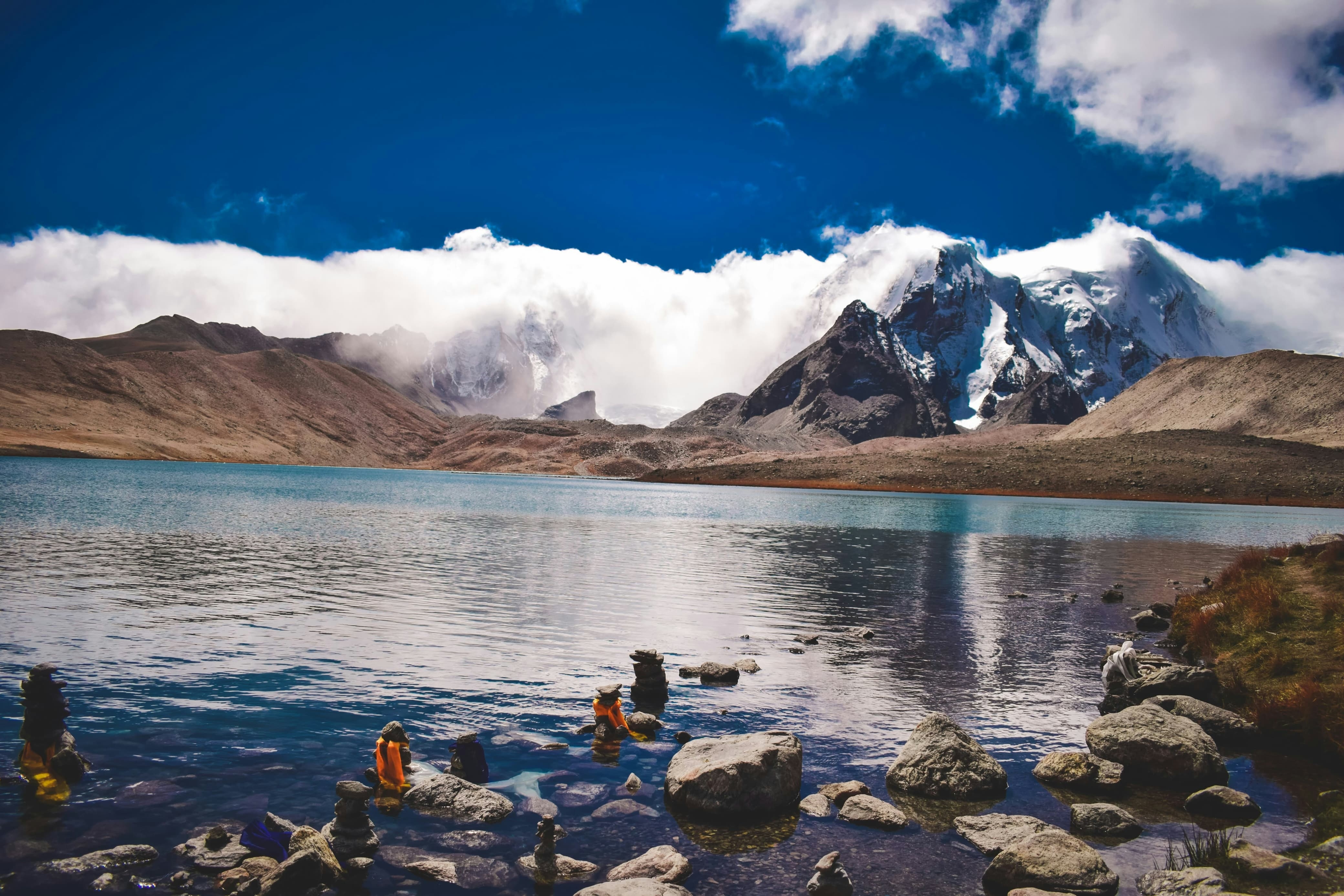
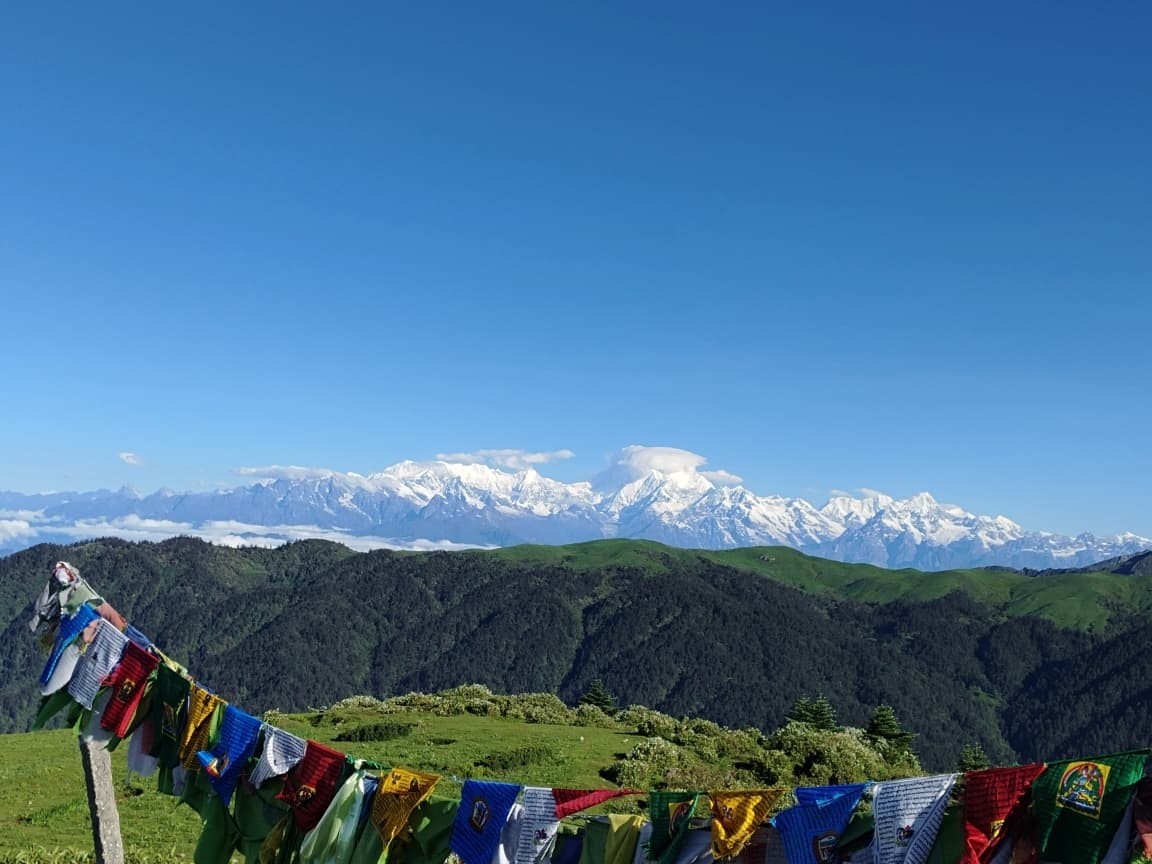
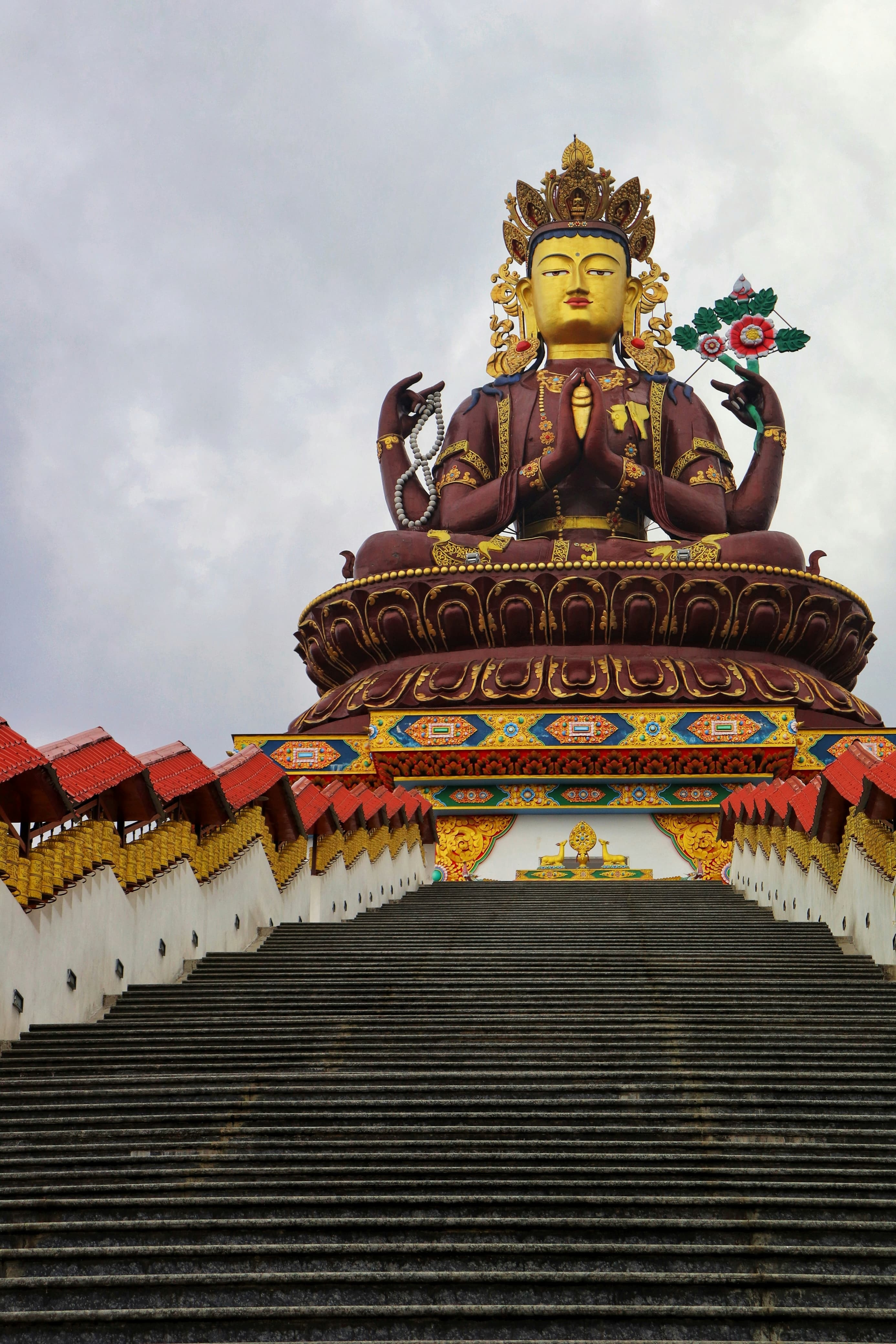

Sikkim is a destination that changes dramatically throughout the year. From colourful rhododendron blooms and lush green valleys to clear Himalayan views and snow-covered high-altitude destinations, every season offers a different reason to visit.
Because Sikkim stretches from lower valleys to high Himalayan terrain, weather can vary considerably from one destination to another. The official Sikkim Tourism Department describes the state as having tropical, temperate and alpine climatic conditions within a relatively small area.
So, instead of asking only “What is the best time to visit Sikkim?”, it is better to ask:
“What kind of Sikkim experience do I want?”
Here is what you can expect in each season.
Spring in Sikkim: March to May
Spring is one of the most colourful times to explore Sikkim. The weather becomes pleasant in many parts of the state, while forests and valleys begin filling with seasonal flowers.
Rhododendrons, orchids and other Himalayan flowers add colour to the landscape, making this season particularly attractive for nature lovers and photographers. Sikkim Tourism highlights March to May as a major spring window, with flowering landscapes especially prominent during this period.
What to expect
Pleasant weather in many lower and mid-altitude areas
Colourful flowers and blooming rhododendrons
Green valleys and forests
Comfortable conditions for sightseeing
Increasing tourist activity during the popular travel period
Top experiences in spring
1. Yumthang Valley
Known for its seasonal flowers and dramatic mountain surroundings, Yumthang is one of the highlights of a North Sikkim trip.
2. Rhododendron viewing
The Singba Rhododendron Sanctuary near Lachung is particularly known for its rhododendrons and other alpine flora. Official Sikkim sources identify spring as an important period for flowering in the sanctuary.
3. Gangtok sightseeing
Spring is a comfortable time to explore Gangtok's monasteries, viewpoints, markets and surrounding attractions.
4. Pelling
Spring can offer beautiful mountain scenery around Pelling, along with opportunities to explore monasteries, viewpoints and nearby attractions.
Best for:
Flowers, sightseeing, photography and comfortable weather.
Summer in Sikkim: May to June
Sikkim's summer is very different from the hot conditions experienced across many parts of India. In many inhabited areas, temperatures remain relatively moderate, although conditions become colder as you travel to higher elevations.
The official tourism department notes that many inhabited parts of Sikkim generally do not experience extreme summer heat.
What to expect
Pleasant conditions in many popular tourist areas
Lush landscapes
Good opportunities for sightseeing
Cooler temperatures at higher elevations
Higher tourist demand during the holiday season
Top experiences in summer
1. Gangtok and Tsomgo Lake
Explore Gangtok before travelling towards the higher-altitude areas around Tsomgo Lake.
2. North Sikkim
May and June can be an attractive period for exploring North Sikkim, depending on road and local travel conditions.
3. Nathula Pass
Nathula is a high-altitude destination and requires the appropriate permit and travel arrangements. Conditions can change quickly at high elevations, so travellers should check current access conditions before travelling.
4. Outdoor adventures
Depending on location and conditions, Sikkim offers trekking, rafting, mountain biking and other outdoor experiences.
Best for:
Sightseeing, family holidays, mountain experiences and summer escapes.
Monsoon in Sikkim: June to September
Monsoon gives Sikkim a completely different appearance.
The hills become intensely green, waterfalls become more dramatic and clouds and mist create a distinctive Himalayan atmosphere.
However, this is also the season when travellers need to plan more carefully.
Official sources note that Sikkim receives substantial rainfall from May into early October, with July generally being the wettest month in many locations.
What to expect
Heavy rainfall in many areas
Mist and cloudy mountain views
Extremely green landscapes
Powerful waterfalls
Possible road disruptions and delays
Fewer tourists in some periods
The Sikkim government advises travellers to be cautious during heavy monsoon periods because landslides can affect roads.
Top experiences in monsoon
1. Waterfalls
Rain brings many waterfalls and streams to life, creating impressive scenery along mountain roads.
2. Green landscapes
If you love forests, valleys and dramatic cloudy scenery, monsoon can be visually rewarding.
3. Monasteries and local culture
Monasteries, cafés, markets and cultural experiences can be good alternatives when outdoor sightseeing is affected by rain.
4. Photography
Mist-covered mountains, clouds and lush forests can create a completely different photographic experience.
Best for:
Green landscapes, waterfalls, photography and travellers who don't mind unpredictable weather.
Important monsoon tip
Don't plan a tight itinerary with no flexibility. Mountain roads can be affected by rain, so keeping buffer time in your itinerary is sensible.
Autumn in Sikkim: October to November
For travellers who want clearer mountain views, autumn is one of the most attractive periods to consider.
The official Sikkim Tourism Department highlights October to mid-December for crisp weather and clearer Himalayan views.
What to expect
Clearer skies
Crisp mountain air
Excellent Himalayan views
Comfortable sightseeing conditions
High demand during popular travel dates
Top experiences in autumn
1. Kanchenjunga views
Clearer conditions can provide excellent opportunities to see the Himalayan peaks.
2. Old Silk Route
The landscapes around Zuluk, Nathang Valley and the Old Silk Route are particularly attractive when mountain visibility is good.
3. Pelling
Pelling is another excellent choice for travellers interested in Himalayan views.
4. Gangtok and surrounding attractions
This is a good period for combining Gangtok with other parts of Sikkim.
Best for:
Mountain views, photography, road trips and sightseeing.
Winter in Sikkim: December to February
Winter transforms the higher parts of Sikkim into asnowy Himalayan landscape.
Temperatures can fall below freezing at high elevations, and some northern and high-altitude areas can remain snowbound for extended periods.
What to expect
Cold weather
Snow at higher elevations
Frozen landscapes
Very cold mornings and nights
Possible restrictions or road closures at high altitude
Top winter experiences
1. Tsomgo Lake
When conditions permit, winter can create a spectacular frozen-lake landscape.
2. Nathula Pass
Nathula can become extremely cold in winter, and access depends on current weather and road conditions.
3. Yumthang and Zero Point
Snow lovers often look towards North Sikkim for winter landscapes, although access depends on prevailing conditions and official permissions.
4. Zuluk and Old Silk Route
Snow can transform the winding mountain roads and valleys of the Old Silk Route into a completely different landscape.
Best for:
Snow, winter photography and Himalayan scenery.
Which Season Is Best for a Sikkim Trip?
There isn't one perfect season for everyone.
Your ideal travel period depends on what you want to see.
Your priority
A good period to consider
Rhododendrons & flowers
March–May
Comfortable sightseeing
March–May
North Sikkim
May–June, subject to conditions
Clear Himalayan views
October–mid December
Old Silk Route
Spring or autumn
Snow experiences
Winter and early spring, subject to conditions
Waterfalls & greenery
Monsoon
Fewer crowds
Certain monsoon periods
Sikkim Tourism itself emphasizes that the state can be visited throughout the year, with different seasons offering different experiences.
What Should You Pack for Sikkim?
Your packing list should depend on both the season and the altitude of your itinerary.
For spring and summer
Light layers
Comfortable walking shoes
Light jacket
Sunglasses
Sunscreen
Personal medicines
For monsoon
Waterproof jacket
Umbrella
Waterproof footwear
Extra clothes
Waterproof phone/bag protection
For autumn and winter
Warm jacket
Thermal layers
Gloves
Woollen cap
Warm socks
Good shoes
Remember that a comfortable temperature in Gangtok does not mean the same conditions will exist at Nathula, Tsomgo Lake or North Sikkim.
What About High-Altitude Destinations?
Some of Sikkim's most famous attractions are located at high elevations.
Nathula, Tsomgo Lake and parts of North Sikkim can have much colder conditions than Gangtok. Travellers should allow time to adjust and follow local travel and permit requirements.
The Sikkim government specifically advises travellers to acclimatize before visiting high-altitude destinations.
Always check the latest road, weather and permit conditions before travelling because mountain conditions can change quickly.
When Should You Plan Your Sikkim Holiday?
If your priority is flowers and pleasant sightseeing, consider spring.
If you want a summer mountain escape, May and June can be attractive.
If you love lush greenery and waterfalls, monsoon offers a unique experience, but flexibility is important.
If your priority is clear Himalayan views, autumn is one of the strongest choices.
And if your dream is snow-covered Sikkim, winter is the season to consider, subject to accessibility and weather conditions.
The best Sikkim trip isn't necessarily about choosing the most popular month. It's about choosing the season that matches what you want to experience.
Planning Your Sikkim Trip?
Planning Sikkim can involve more than simply booking a hotel. Your itinerary may include different altitudes, mountain roads, permits and weather-dependent destinations.
A local travel agency can help you plan the route according to your travel dates, budget and interests while keeping the itinerary practical.
Madhu Tours & Travels helps travellers plan Sikkim holidays with tour packages
http:// https://www.madhutoursandtravels.com/t/sikkim-and-darjeeling-tour-pa covering destinations such as Gangtok, North Sikkim, Old Silk Route and other popular parts of the state.
Comments (0)